

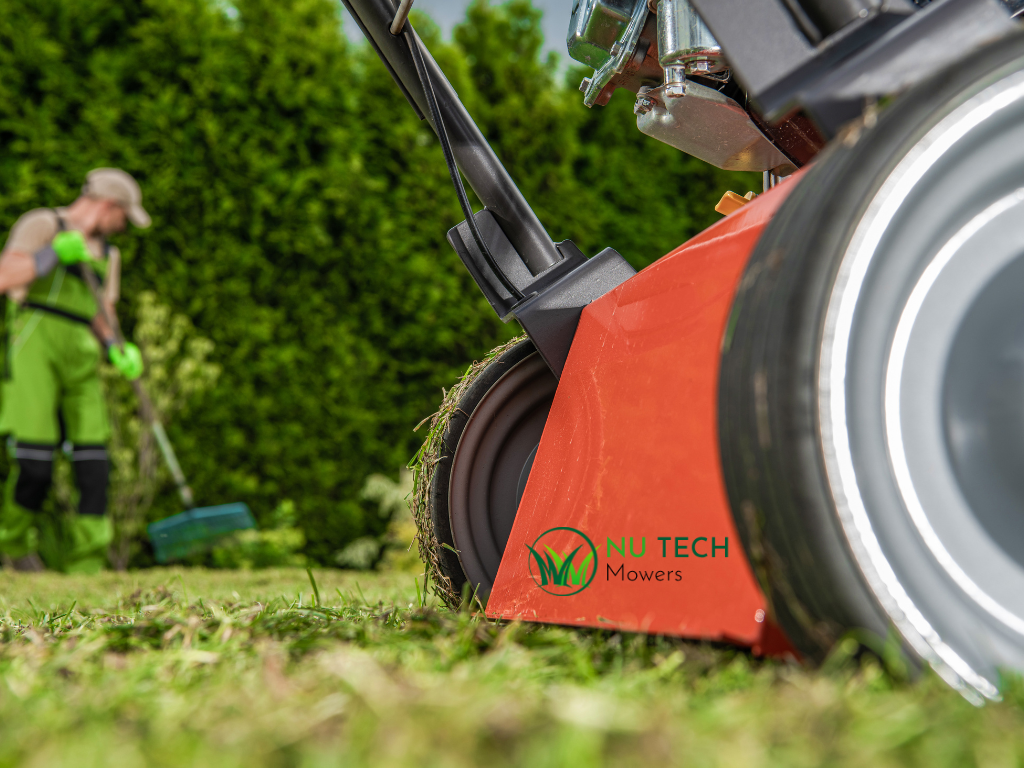
Choosing the right ride on mower can make maintaining your lawn easier, more comfortable and less time-consuming. Whether you have a large backyard, a spacious residential block or several acres of land, selecting suitable mowing equipment depends on more than just the size of your property.
For Australian homeowners, factors such as grass type, terrain, cutting width, engine performance and maintenance requirements can influence which mower works best. A machine designed for a flat, open lawn may not be suitable for a property with steep slopes, narrow pathways or numerous garden features.
With different lawn mower options available, including traditional ride on models, zero turn machines and robotic mowers, understanding their capabilities can help you avoid purchasing equipment that does not suit your needs.
Why Your Property Size Matters When Choosing a Ride On Mower
The size of your mowing area is one of the first things to consider when selecting a ride on mower. Larger lawns generally benefit from machines with wider cutting decks, allowing more grass to be covered during each pass.
However, a larger mower is not always the most practical choice. Properties with narrow access points, garden beds, trees and landscaped areas may require a more compact machine that is easier to manoeuvre.
Before comparing models, measure the approximate area of grass that needs regular mowing. Consider how much of the property is actually accessible to a mower, rather than relying on the total land size.
For homeowners in Sydney and Western Sydney, where properties can range from suburban blocks to larger acreage, matching the mower to the usable lawn area is particularly important.
When a Ride On Mower Is Better Than a Push Mower
A push mower can be a practical option for smaller lawns where storage space is limited and mowing can be completed without significant effort.
However, maintaining a larger property with a push mower may become physically demanding, particularly during periods of rapid grass growth.
A ride on mower allows the operator to remain seated while covering larger areas. This can reduce physical effort and make routine lawn maintenance more manageable.
The best choice depends on your lawn’s layout, mowing frequency and available storage. If your property contains both large open spaces and smaller landscaped sections, using a ride on mower alongside a push mower may offer greater flexibility.
Understand Your Lawn Size and Terrain
Before selecting a ride on mower, examine the condition and layout of your property. Lawn size is important, but ground conditions can have an equally significant effect on mowing performance and safety.
Flat, open lawns are generally easier to maintain with larger cutting decks. Properties with slopes, uneven surfaces, exposed tree roots or drainage channels require more careful equipment selection.
Choosing a Ride On Mower for Small and Large Properties
A compact ride on mower may suit a medium-sized residential property where a push mower would take considerable time but a large machine would be difficult to manoeuvre.
For larger blocks and acreage, a mower with a wider cutting deck and suitable engine capacity can help maintain extensive grassed areas more efficiently.
Cutting width determines how much grass the machine can mow in a single pass. A wider deck can reduce the number of passes needed on open ground, but it also requires enough clearance around gates, fences and obstacles.
The ideal cutting width therefore depends on both the size and layout of the property. Before purchasing, check the mower’s overall dimensions, including the deck, to confirm that it can pass through access points and fit inside your storage area.
How Slopes and Uneven Ground Affect Ride On Mower Selection
Not every ride on mower is designed to operate safely on sloping or uneven land. Ground conditions influence traction, stability and the ability to maintain a consistent cutting height.
If your property has slopes, check the manufacturer’s maximum permitted operating gradient for the specific mower model. Do not assume that a larger engine, wider tyres or four-wheel drive makes a machine suitable for steep terrain.
Uneven surfaces can also increase the risk of scalping, where the mower blades cut too close to the ground. Appropriate cutting height settings and a suitable deck design can help reduce this issue.
Wet grass, loose soil and hidden obstacles create additional hazards. Avoid mowing when traction is poor, and always follow the manufacturer’s operating instructions.
For properties with difficult terrain, obtaining professional equipment advice before selecting a mower is a sensible precaution.
Compare Different Types of Lawn Mowers
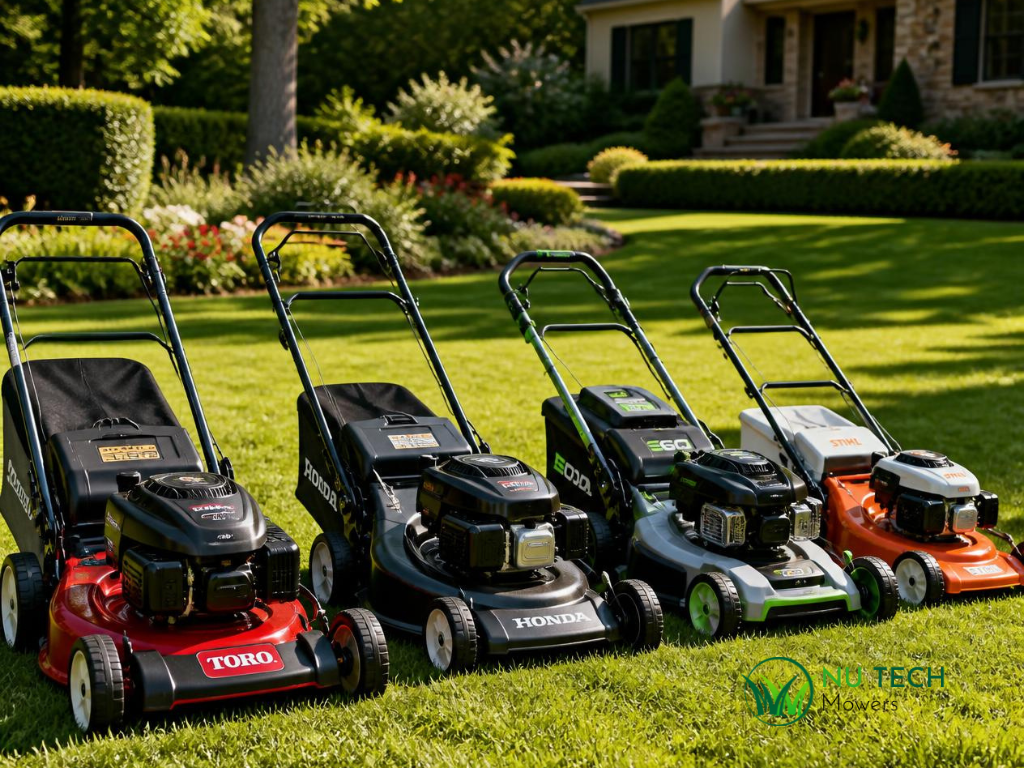
There are several types of mowing equipment available, and each is designed for different property requirements. Understanding the differences can help you decide whether a traditional ride on mower, zero turn machine or robotic lawn mower is the most practical solution.
The right equipment should make mowing easier without introducing unnecessary complexity or ongoing costs.
Ride On Mower vs Zero Turn Mower
A traditional ride on mower typically uses a steering wheel and offers familiar controls similar to those of a small vehicle. These machines can be suitable for residential lawns and larger properties with relatively straightforward layouts.
A zero turn mower is designed to turn within a much tighter space, making it useful for mowing around trees, garden beds and other obstacles.
For open properties, both mower types can provide effective coverage. However, zero turn machines may offer advantages where frequent changes of direction are required.
The choice should also consider operator experience, terrain and safety. Some zero turn machines may be unsuitable for particular slopes, so their operating limitations must be checked carefully.
Rather than assuming one type is always faster or better, compare the specific models based on your property’s actual mowing conditions.
Ride On Mower vs Automower for Regular Lawn Maintenance
A ride on mower requires an operator to control the machine during mowing, while a robotic mower is designed to maintain suitable lawns with minimal direct involvement once properly installed and configured.
Husqvarna offers robotic mowing technology under its Automower range, with models designed for different lawn sizes and operating conditions.
An automower may appeal to homeowners who prefer frequent, automated lawn maintenance. However, robotic mowing systems have their own requirements, including charging, navigation arrangements, suitable lawn conditions and installation considerations.
A ride on mower may be more appropriate for properties where grass is allowed to grow longer between mowing sessions or where the layout is unsuitable for robotic operation.
When comparing these options, consider whether you prefer direct control over mowing or an automated approach to routine lawn care.
What Features Should You Look for Before Buying?
Once you have identified the type of ride on mower that suits your property, the next step is comparing its features.
Engine performance, deck construction, transmission type, operator comfort and safety systems all influence how suitable a machine will be for regular use.
Choosing equipment based on practical features rather than appearance alone can help you make a more informed purchase.
Ride On Mower Cutting Width, Engine Power and Transmission
Cutting width is an important specification because it affects how much ground a ride on mower can cover during each pass.
However, engine power and transmission also matter. A mower must have enough power for its cutting system and the grass conditions it is designed to handle.
Hydrostatic transmissions allow the operator to control travel speed without manually changing gears. This can make mowing more convenient when frequently slowing down, turning or navigating obstacles.
Some machines also provide adjustable cutting heights, allowing the operator to respond to different lawn conditions and grass growth.
When comparing specifications, consider the mower’s intended workload rather than choosing the highest engine power or widest cutting deck available.
A suitable combination of features is generally more valuable than one impressive specification.
Ride On Mower Comfort, Safety and Ease of Operation
Comfort becomes increasingly important when maintaining larger properties, particularly when mowing takes an extended period.
An adjustable seat, conveniently positioned controls and good operator visibility can make a ride on mower easier to use.
Before purchasing, consider whether the controls are comfortable to reach and whether the machine provides adequate visibility around garden beds, fences and other obstacles.
Safety features also deserve attention. Depending on the model, these may include operator presence systems, blade engagement controls, parking brakes and other protective mechanisms.
Review the manufacturer’s instructions to understand how these systems operate.
Always inspect the mowing area for stones, branches, toys and other objects before starting. Keep children, pets and bystanders away from the work area, and disengage the blades and shut down the machine as instructed before clearing blockages or performing maintenance.
A mower that feels comfortable and manageable during operation is often a better choice than one that simply offers greater power.
Is a Husqvarna Mower Right for Your Property?
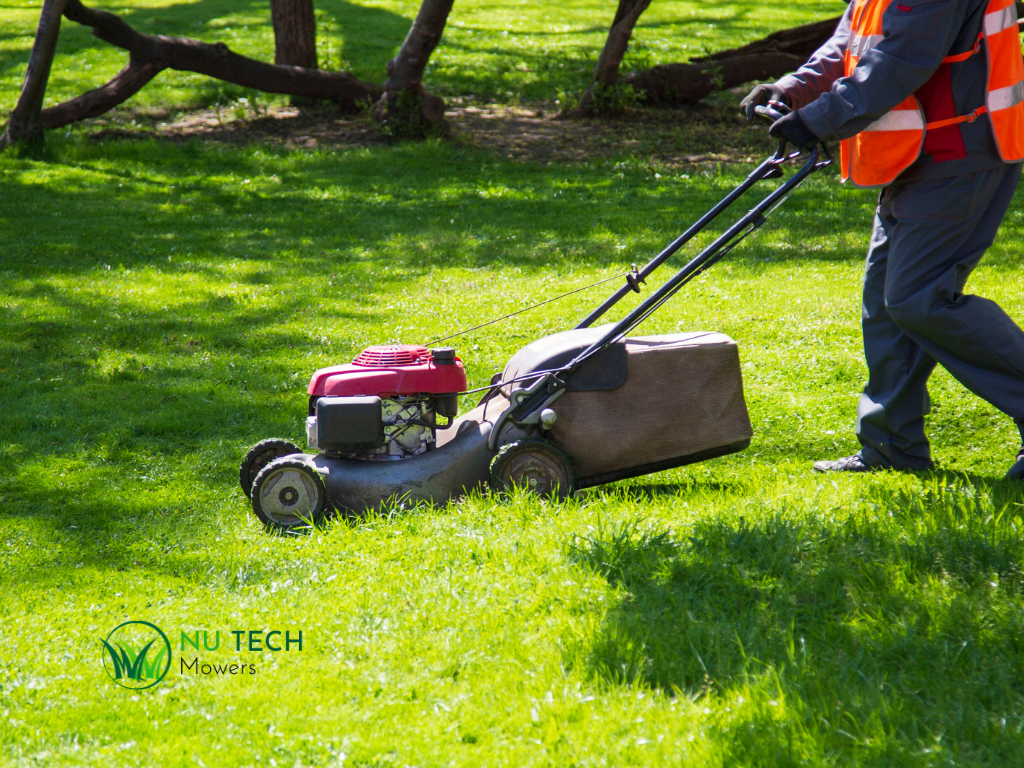
When comparing outdoor power equipment, Husqvarna is one of the brands Australian homeowners may encounter.
Its lawn care equipment includes different mower categories designed for residential and professional applications.
However, choosing a Husqvarna mower should involve the same careful assessment applied to any other manufacturer. The most suitable model depends on your property’s requirements, available budget and ongoing servicing needs.
What to Consider When Comparing Husqvarna Ride On Mower Models
When comparing a Husqvarna ride on mower, begin with the recommended mowing area and intended application.
Different machines can vary in cutting width, engine or motor configuration, steering design, transmission, deck construction and supported accessories.
Consider how these specifications relate to your property. For example, a compact mower may be easier to navigate around established gardens, while a larger machine may be more appropriate for extensive open grassed areas.
Maintenance requirements should also be considered. Check the availability of replacement blades, belts, filters and other service components for the particular model.
It is equally important to review warranty conditions and manufacturer operating guidelines before making a purchase.
Where possible, inspect the mower in person to assess its size, controls and suitability for your mowing conditions.
Choosing a Ride On Mower and Complementary Garden Tools
A ride on mower can handle much of the grass cutting on a suitable property, but it may not reach every area.
Narrow spaces, garden edges, fence lines and areas surrounding trees often require additional equipment.
A trimmer can be useful for maintaining grass along boundaries and around obstacles that are difficult to reach with a larger mower.
A leaf blower may also assist with clearing grass clippings and loose garden debris from paths, driveways and other outdoor surfaces.
For smaller sections of lawn, a push mower may provide additional control where riding equipment cannot safely or practically operate.
Choosing complementary tools based on the actual layout of your property can make lawn maintenance more manageable without investing in unnecessary equipment.
Consider Maintenance, Storage and Ownership Costs
Purchasing a ride on mower involves more than paying the initial purchase price. Regular servicing, replacement parts, energy or fuel consumption and suitable storage can all influence the long-term cost of ownership.
Understanding these requirements before buying can help you select equipment that remains practical to maintain.
Ride On Mower Maintenance Requirements in Australian Conditions
A ride on mower requires regular attention to remain in suitable operating condition.
Routine maintenance can include checking tyre pressure, inspecting blades, cleaning accumulated grass from accessible areas and examining belts or other components for wear.
For petrol-powered machines, engine oil, air filters, spark plugs and fuel system maintenance may also be necessary, depending on the model.
Australian conditions can create additional maintenance challenges. Dusty mowing environments may lead to more frequent air filter inspection, while seasonal grass growth can increase the workload placed on cutting equipment.
Grass clippings can also accumulate around the mowing deck, affecting airflow and cutting performance.
Always follow the manufacturer’s cleaning and maintenance instructions. Shut down the machine, allow moving parts to stop and take the prescribed precautions before inspecting the deck or blades. Do not direct high-pressure water at components unless the manufacturer permits it.
Keeping the machine clean and arranging servicing at the recommended intervals can help maintain reliable performance.
Ride On Mower Running Costs and Long-Term Value
When comparing ride on mower options, consider the total cost of ownership rather than the purchase price alone.
A lower-priced machine may initially appear attractive, but its suitability for the intended workload, maintenance requirements and parts availability should also influence the decision.
Petrol-powered mowers involve fuel, engine servicing and consumable expenses. Battery-powered machines have different operating considerations, including charging requirements and eventual battery replacement.
Storage is another practical factor. A ride on mower should be kept in a suitable location that protects it from unnecessary exposure to weather and provides secure access.
For homeowners who mow regularly, purchasing may offer the convenience of having equipment readily available.
For occasional mowing tasks or short-term property maintenance, hiring suitable equipment may be worth considering, where available.
Comparing these ongoing factors can help you decide which mower offers reasonable long-term value for your circumstances.
Making the Right Choice for Your Property
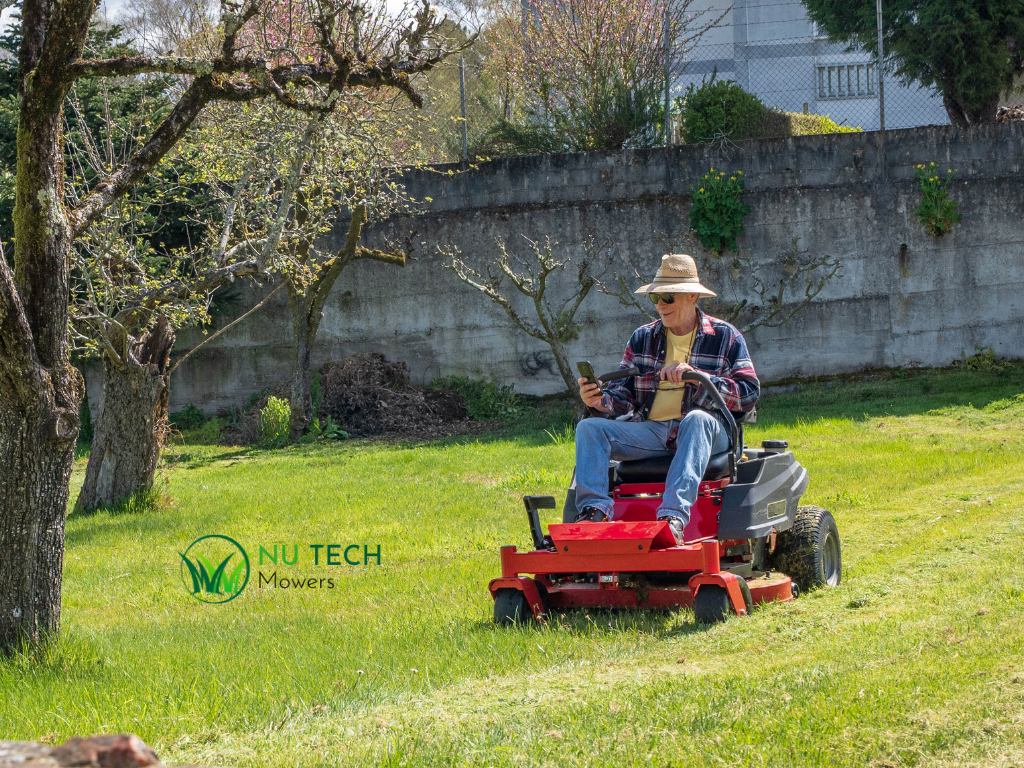
The best ride on mower is not necessarily the largest, most powerful or most expensive model.
It is the machine that matches your property’s mowing area, terrain, access requirements and maintenance expectations.
Taking time to compare the available options can help you make a purchase that suits both your immediate needs and longer-term property maintenance plans.
A Practical Ride On Mower Checklist Before You Decide
Before selecting a ride on mower, begin by assessing the area of grass that needs regular cutting.
Consider whether the property is mostly flat or includes slopes, uneven ground and difficult access points.
Think about how often the lawn requires mowing and whether seasonal grass growth may affect the machine’s workload.
Next, compare cutting widths, mower dimensions, transmission types and operator comfort across models that are suitable for your property.
Consider whether a traditional ride on mower, zero turn machine or another lawn mowing option best suits the layout.
Do not overlook servicing arrangements, replacement part availability and the manufacturer’s operating restrictions.
A mower that meets these practical requirements is more likely to provide a satisfying ownership experience than one chosen purely on appearance or advertised power.
Where to Get Advice on Choosing a Ride On Mower
If you are unsure which ride on mower suits your property, speaking with an experienced outdoor power equipment supplier can help clarify the available options.
A knowledgeable supplier can explain the differences between mower categories, discuss manufacturer specifications and help you compare machines for particular mowing conditions.
For homeowners in Western Sydney, Nu Tech Mowers in Cartwright is listed as a Husqvarna dealer offering retail sales and servicing and repairs. It may be a useful starting point for enquiries about Husqvarna equipment and suitable mower options.
Before visiting a supplier, have an approximate measurement of your mowing area and a description of the terrain, access points and obstacles. This information makes it easier to discuss suitable equipment.
It is also worth asking about servicing arrangements, warranty terms and the availability of replacement parts.
Choosing the right ride on mower starts with understanding your property, comparing suitable equipment and obtaining clear advice before purchasing. With the right information, you can select a machine that makes regular lawn care more practical and manageable.
For advice on suitable mowing equipment, contact Nu Tech Mowers to discuss your property requirements and enquire about available ride on mower options.