

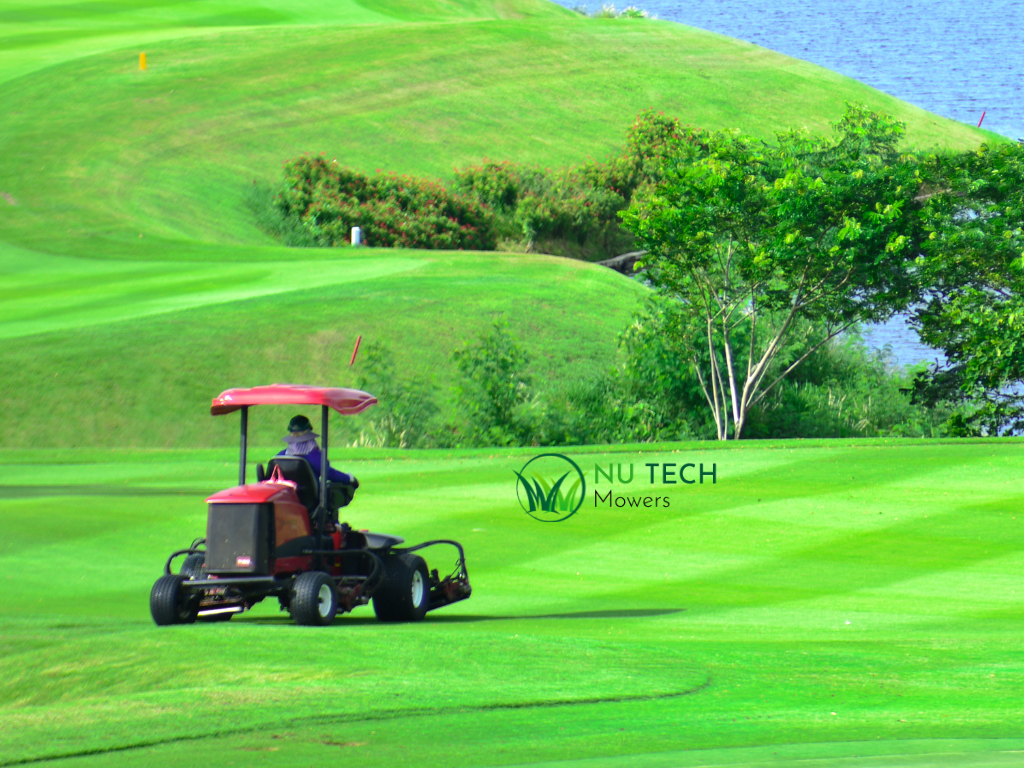
Buying a mower becomes much easier when you start with your lawn rather than starting with a particular model.
Australian properties vary considerably. One homeowner may only need to maintain a compact suburban lawn, while another may have sloping ground, several garden beds, narrow access areas or a much larger property. Because of those differences, the best husqvarna mower for one home may be unnecessarily large, complicated or expensive for another.
The goal is therefore not to find the mower with the longest feature list. It is to find equipment that suits the amount of grass you maintain, the condition of the ground, how often you want to mow and how much manual work you are comfortable doing.
That approach also makes it easier to decide whether you need a traditional lawn mower, a ride on mower or an auto mower.
Measure how much grass you actually need to mow
The first useful measurement is the area of grass you regularly maintain.
Do not automatically use the total size of your property. A 1,000-square-metre residential block, for example, may include the house, driveway, pool, garden beds and paved entertaining areas, leaving a much smaller amount of actual lawn.
Once you have a reasonable estimate of the mowing area, you can start considering suitable cutting widths and mower types.
Husqvarna’s Australian mower guidance recommends considering cutting width alongside lawn size. Its guide currently suggests cutting widths of 46 cm or less for lawns up to around 500 square meters, approximately 47 to 50 cm for areas between 500 and 800 square meters, and 51 cm or more for larger areas. These figures are useful as starting guidance rather than a replacement for considering the actual shape and conditions of your property.
A wider mower can cover more grass with each pass, but bigger is not automatically better. On a compact property filled with corners, garden beds and narrow paths, maneuverability can matter more than cutting width.
Look at slopes, obstacles and narrow spaces
Next, look at the physical shape of your yard.
Trees, retaining walls, garden beds, swimming pools, fences and tight passages can all change which mower feels practical. A lawn with plenty of open space is very different to a similarly sized lawn broken into several smaller sections.
Slopes also deserve attention.
A manually propelled machine can be perfectly practical on a small, relatively flat area but may require more effort when the lawn becomes larger or steeper. Husqvarna’s Australian buying advice suggests considering self-propelled equipment for medium to large or more complicated lawns.
Also check access before buying anything large. Measure gates and narrow passages, and think about where the equipment will be stored.
These simple checks can prevent the frustrating situation of buying a capable mower that is inconvenient to use around the actual property.
Decide Whether a push mower or Self-Propelled lawn mower Fits
A push mower can still be one of the most practical choices for a smaller residential lawn.
You control the pace and direction directly, making it easy to work around garden edges and other obstacles. A smaller machine can also be easier to store if shed or garage space is limited.
Husqvarna Australia currently offers both petrol and battery lawn mower categories, including machines with push drive systems as well as self-propelled options.
The right choice depends on more than the power source.
If you have a relatively compact lawn, regularly keep the grass under control and do not mind providing the forward movement yourself, a straightforward push mower may be all you need.
You should still consider cutting width, grass collection, mulching options, handle comfort and the weight of the machine. These features can make a noticeable difference when you use the equipment every week during periods of stronger lawn growth.
When self-propulsion can make mowing easier
A self-propelled lawn mower uses its drive system to help move the machine forward.
That can reduce the amount of effort required from the operator, particularly across larger mowing areas. It may also be worth considering when the property has gentle slopes or when pushing a heavier machine for an extended period would be uncomfortable.
However, self-propelled does not automatically mean better for every lawn.
If you are working within a very small area that requires frequent reversing and maneuvering, a simpler machine may still feel easier to control.
Think about how you actually mow. If most of your work involves long, uninterrupted passes across an open lawn, assisted drive becomes more attractive. If you spend most of your mowing session carefully navigating tight spaces, maneuverability may deserve more weight in the decision.
This is why comparing mower types according to the property is more useful than simply comparing specifications.
Know When a ride on mower Becomes Worth Considering
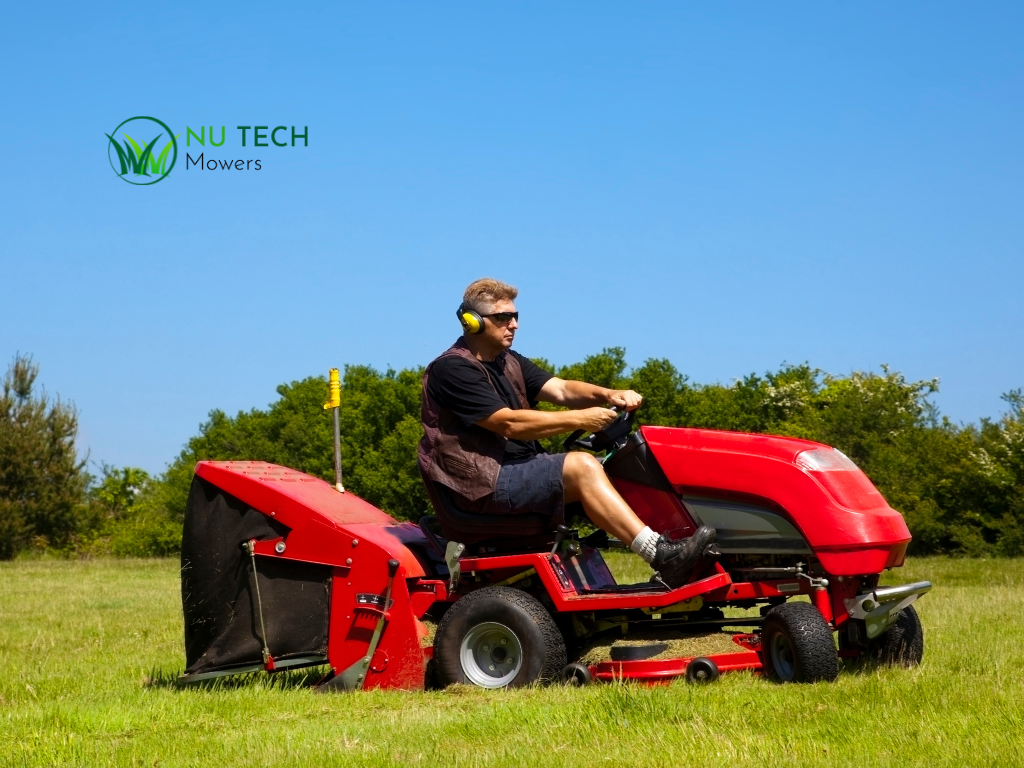
Larger lawns change the buying decision
As mowing areas become larger, the time required to maintain them becomes a bigger part of the decision.
This is where buyers often start comparing a walk-behind machine with a ride on mower.
The advantage of a riding machine is not simply that it is larger. It allows the operator to remain seated while covering a larger area, which can make regular property maintenance more manageable.
Before buying one, however, calculate how much open mowing space you really have.
A property can be large but still unsuitable for a large riding machine if the grass is divided into narrow sections or surrounded by obstacles.
Husqvarna’s Australian ride-on buying guidance recommends considering the grass being cut, the layout of the garden, maneuverability, slopes and the type of cutting method required. It also notes that different mowing conditions can favor mulching or rear discharge.
The most appropriate choice therefore depends on both area and layout.
Consider how the machine will move around your property
Before deciding on a riding machine, walk around the property and imagine the path it would need to follow.
Can it pass through your gates? Is there enough turning space near buildings and fences? Can you reach the grass around trees and garden beds? Where will you store the machine after mowing?
Slopes need particular care because every riding mower has operating limits and safety requirements. Do not choose a machine simply because another owner uses a similar model on a different property.
Read the manufacturer’s instructions for the model you are considering and make sure the intended terrain falls within its requirements.
You should also consider whether you want the machine purely for cutting grass or whether compatible attachments and broader property-maintenance capabilities are important.
Answering those questions helps determine whether a ride on mower offers genuine convenience or whether a smaller machine would still be more practical.
Decide Whether an auto mower Fits Your Mowing Routine
An auto mower approaches lawn care differently from a traditional mower.
Rather than waiting until the grass becomes noticeably long and then removing a large amount in one session, a robotic mower is designed around regular automated mowing.
That makes the question less about whether you enjoy operating a mower and more about whether your property and maintenance routine suit automation.
Robotic mowing is particularly relevant to homeowners who want to reduce the time they personally spend mowing.
Husqvarna publishes dedicated Australian guidance for assessing lawn suitability for auto mower products, including lawn size and slopes. Its Australian range and buying content also continue to feature robotic mowing technology prominently.
However, automation does not remove the need to understand your property.
The mower still needs to be matched to the lawn area, terrain and layout.
Check lawn layout and installation needs
Before buying an auto mower, look carefully at the boundaries of your lawn.
Consider narrow passages, separate lawn sections, substantial trees, buildings, steep areas and other obstacles. You should also think about where the charging station can be positioned.
Installation technology can differ between robotic mower models. Some systems may use physical boundary arrangements, while newer approaches can use virtual boundary technology depending on the particular product and installation.
For this reason, do not assume every robotic mower is installed in the same way.
Check the specifications of the model you are considering and assess whether your property provides suitable conditions for the technology it uses.
This is one area where speaking with a knowledgeable dealer can be particularly helpful. A complicated property may benefit from an assessment before you purchase equipment.
Compare Petrol, Battery and Your Wider husqvarna Equipment Setup
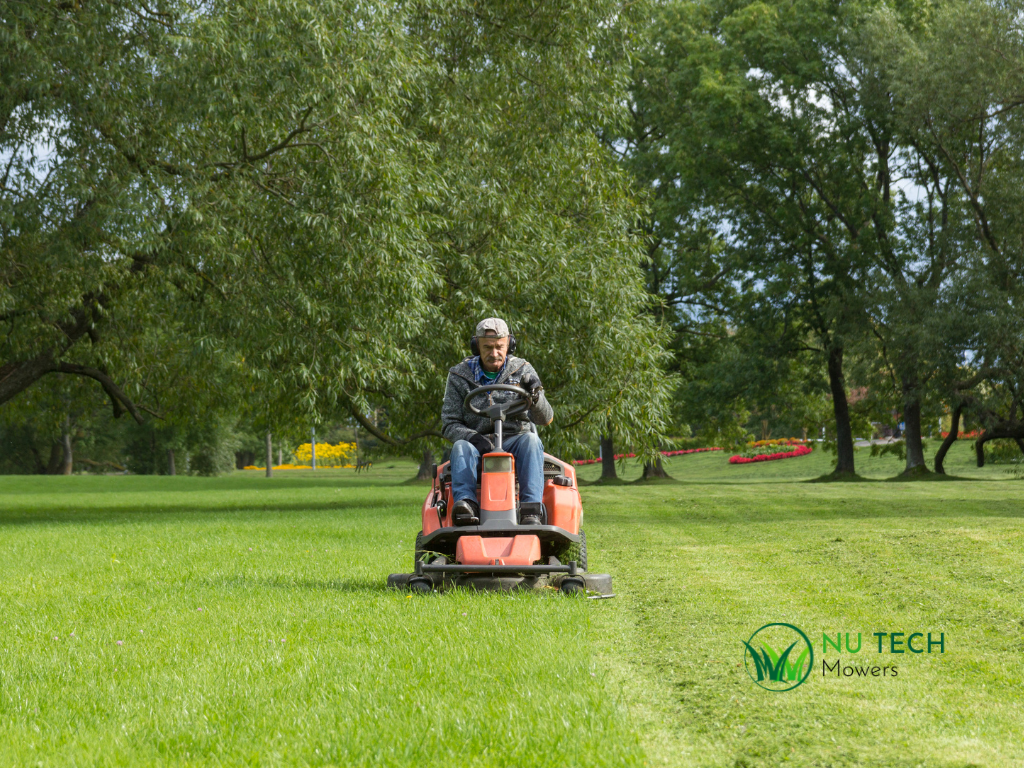
Match the power source to the work
Australian buyers n ow have more choice than simply selecting between different petrol mower sizes.
Husqvarna currently lists both petrol and battery lawn mower ranges in Australia. Its battery lawn mower range includes push and self-propelled drive configurations, while its petrol range also includes both types.
Neither power source should automatically be considered the right answer for every buyer.
Instead, think about mowing duration, lawn size, how frequently you cut the grass, charging arrangements, storage and the other equipment you already own.
For a smaller suburban property, battery equipment may offer a practical option where the selected mower and battery capacity suit the job.
For other users, including people maintaining larger or more demanding areas, a petrol machine may remain worth considering.
The important point is to compare the complete ownership experience, not just the mower’s purchase price.
Think beyond the mower
Your mower may not be the only outdoor tool you need.
After cutting the grass, many homeowners also need to clear paths, driveways, decks and other areas. A leaf blower can make that finishing work easier.
If you are considering battery equipment, it is worth investigating whether compatible tools are available within the same battery system before purchasing several separate products.
Husqvarna currently offers battery-powered blowers in Australia and describes its BLi-X 36 V system as an interchangeable battery system across compatible equipment. Compatibility still needs to be checked for the particular products being considered.
This does not mean you should buy extra equipment simply to stay with one brand.
It means battery compatibility can be another practical buying factor if you already expect to purchase a mower, blower and other garden tools.
Thinking about the whole garden-care setup can help you avoid ending up with unnecessary batteries and chargers from several unrelated systems.
Choose the Right mower Features Before Comparing Prices
Price matters, but it should come after you have identified what the mower actually needs to do.
Start with cutting width.
A larger deck can reduce the number of passes required on open grass, while a narrower machine can be easier to man oeuvre around compact spaces.
Next, consider what you want to happen to the grass clippings.
Different machines can offer collection, mulching or discharge arrangements. Husqvarna’s Australian buying guide explains that discharge can be useful for taller and coarser grass, while frequent mowing can suit mulching, where finely cut clippings are returned to the lawn.
Your normal mowing habits should therefore influence your choice.
Someone who cuts frequently may have different requirements from a property owner who sometimes needs to tackle longer grass after several weeks of growth.
Also consider cutting-height adjustment, handle design, storage and how easily you can move the machine when it is not running.
These everyday details often affect ownership more than an impressive specification that you rarely use.
Serviceability should be part of the purchase
A mower is equipment you expect to keep using, so servicing and parts availability deserve consideration before you buy.
Ask where the model can be serviced locally and whether replacement blades, batteries, filters or other model-specific parts can be obtained when required.
Maintenance varies according to the type of equipment.
A petrol mower and battery mower do not have identical servicing requirements, and an auto mower introduces different maintenance considerations again.
Rather than following a generic servicing timetable found online, use the operator information for the particular model and arrange professional servicing when required.
Dealer access can also matter if you are buying more complex equipment.
This is particularly relevant with a ride on mower or robotic system where setup, diagnosis, replacement parts or installation advice may be more involved than with a basic residential mower.
When to Contact a Local Husqvarna Supplier
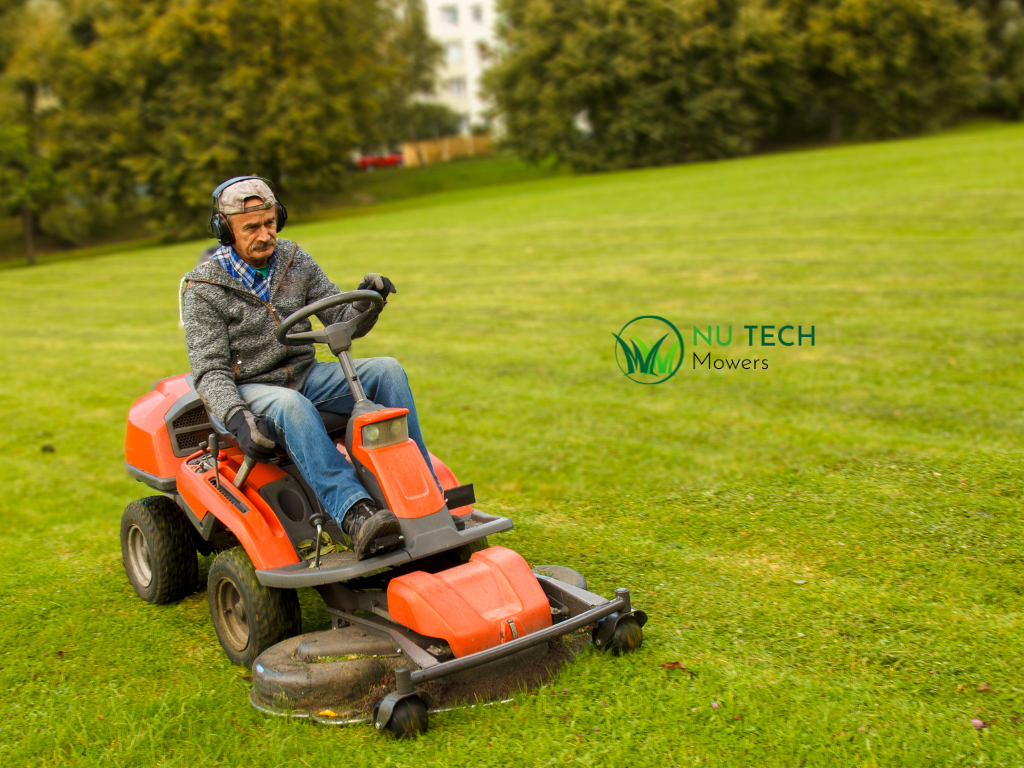
Speak to a dealer when your property is difficult to assess
You do not necessarily need professional help to choose a straightforward mower for a simple suburban lawn.
However, dealer advice becomes more valuable when several factors are making the choice difficult.
For example, you may have a large property but relatively little actual lawn. You might have steep areas, numerous obstacles or very narrow access points. You may be deciding between a conventional mower and an auto mower, or you may not know whether you have enough open space to justify a riding machine.
These situations are easier to discuss when you can provide accurate property information.
For Western Sydney buyers, Nu-Tech Car Care’s mower operation is presented as Nu Tech Mowers. Husqvarna’s current Australian dealer locator lists NU TECH MOWERS in Cartwright as a retail shop, battery stockist and servicing and repairs location. Nu Tech Mowers also lists Husqvarna among the brands it carries.
That type of authorized dealer information is a useful trust signal when you are comparing where to buy equipment, particularly if ongoing servicing matters to you.
What to tell the supplier before asking for a recommendation
Do a little preparation before visiting or contacting a supplier.
Start by estimating your actual lawn area. Explain whether the lawn is mainly flat, gently sloping or more challenging. Mention narrow gates, separate lawn sections, trees and other obstacles that could influence the type of machine.
Then explain how you currently maintain the property. Consider mentioning robotic mowing if time for regular lawn care is limited. If you already have compatible husqvarna battery equipment, tell the supplier exactly which battery platform and products you own rather than assuming every battery fits every tool.
Storage space is another useful detail.
A compact push mower, robotic system and ride on mower have very different storage requirements, so this can eliminate unsuitable choices quickly.
Finally, discuss your budget after explaining what the mower needs to accomplish.
That order matters. Starting with the property and the work allows you to compare products that genuinely suit the job instead of simply comparing the cheapest and most expensive machines in the showroom.
Choosing the right husqvarna mower is ultimately about fit. Lawn size, terrain, access, mowing frequency, physical effort, power source and ongoing servicing all play a role.
Once those factors are clear, choosing between a push mower, self-propelled lawn mower, ride on mower or auto mower becomes much simpler. You can focus on the features that will actually improve your lawn-care routine and avoid paying for capabilities your property does not need.