

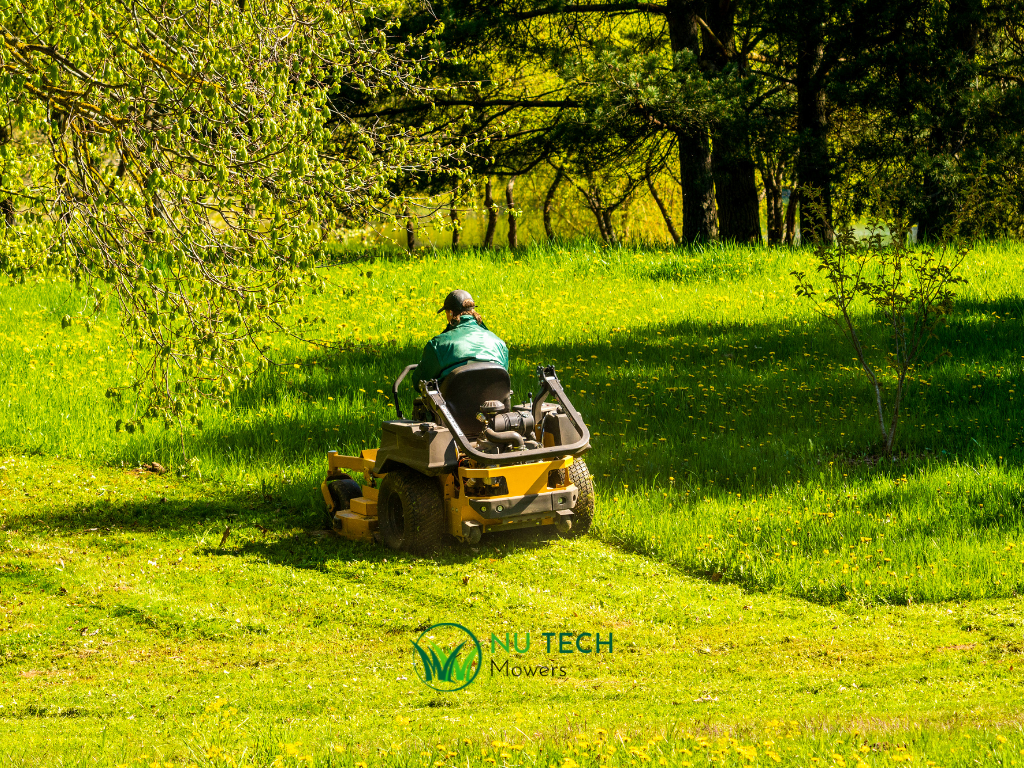
Choosing the right ride on mower is not simply a matter of buying the largest machine available. Your mowing area, terrain, grass type, obstacles, access points and preferred mowing time all influence the size and features you need.
A wide cutting deck can reduce the number of passes required across an open property, but it may be difficult to manoeuvre through narrow gates or around trees. A smaller lawn mower can provide better control in tight spaces, although it may take much longer to maintain several acres.
Your acreage provides a useful starting point when choosing a ride on mower, but the total property size does not always equal the mowing area. A five-acre block might contain only one acre of maintained lawn, while the remaining land consists of buildings, paddocks, gardens or bushland.
Measure the Area You Actually Need to Mow
Begin by estimating the lawn area that you regularly maintain. Exclude the house, sheds, driveways, garden beds, dams and sections that are not mown. This gives you a more accurate basis for comparing deck widths and mower capacities.
Also consider how frequently you mow. A machine used every week on maintained grass faces a different workload from one expected to cut long, dense growth every few weeks. Standard residential ride-on machines are generally designed for maintained lawns rather than scrub, woody vegetation or heavily overgrown paddocks.
Consider Trees, Gardens, Gates and Other Obstacles
An open lawn allows a wider ride on mower to work efficiently. A property containing trees, garden beds, play equipment and narrow passages may require a smaller deck and tighter turning circle.
Measure your narrowest gate, storage entrance and frequently used access point before selecting a mower. Allow additional clearance on both sides instead of choosing a deck that only just fits. Remember that the mower’s overall width may be greater than its advertised cutting width because of the wheels and discharge chute.
Choosing a Cutting-Deck Width for Your Acreage
Cutting width determines how much grass a ride on mower covers during each pass. Wider decks can reduce mowing time on large, open lawns, while narrower decks are generally easier to store and manoeuvre.
Suitable Deck Sizes for Small and Medium Properties
For properties with less than an acre of grass, a compact ride-on model with a deck around 76 to 97 centimeters, or approximately 30 to 38 inches, may be sufficient. These machines can suit larger suburban blocks and smaller semi-rural properties where access is limited.
For approximately one to two acres of maintained lawn, many buyers begin comparing decks around 97 to 107 centimeters, or 38 to 42 inches. The best size still depends on the layout. A smaller deck may be preferable when the lawn includes several obstacles or confined areas.
These measurements are general starting points rather than fixed rules. Always compare the manufacturer’s intended application with the actual conditions on your property.
Wider Cutting Decks for Large Acreage
For two to five acres of relatively open lawn, a ride on mower with a deck of approximately 107 to 137 centimeters, or 42 to 54 inches, may offer a practical balance between coverage and manoeuvrability.
Properties with more than five acres of maintained grass may benefit from a deck wider than 137 centimeters, particularly when reducing mowing time is a priority. However, a wide deck may produce an uneven finish on undulating ground because it cannot follow every contour as closely as a narrower deck.
When comparing sizes, check whether the mower can move safely between every section of the property. A fast machine is not useful if it cannot pass through an essential gate or fit inside the available storage area.
Matching Engine Capability to the Workload
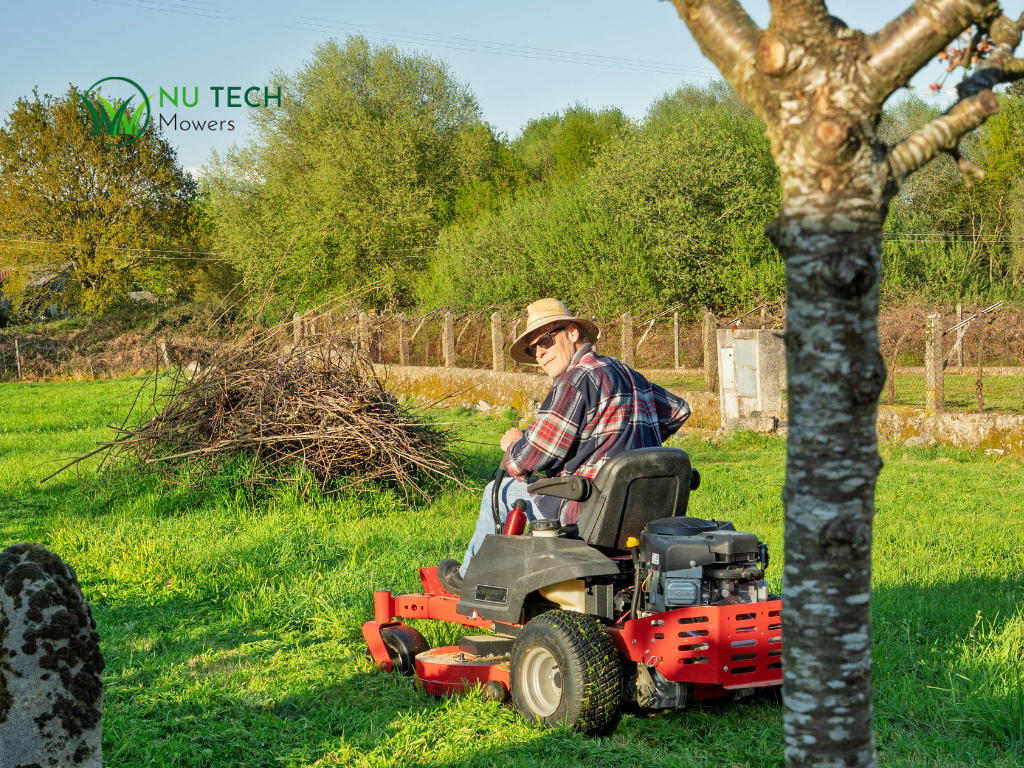
A ride on mower needs enough usable power for its cutting deck, terrain and grass conditions. Engine size can help with comparisons, but it should not be considered in isolation.
How Terrain and Grass Density Affect Power Requirements
Flat, regularly maintained lawn usually creates a lighter workload than thick grass, gradual inclines or rough ground. Long or damp grass can also place additional strain on the cutting system and cause material to collect under the deck.
Rather than relying only on horsepower, consider the complete machine. Engine design, torque, deck construction, blade condition and transmission all influence how effectively a ride on mower performs.
A larger engine does not turn a residential lawn mower into a machine for clearing scrub or unmanaged vegetation. If your property contains heavy growth, speak with a supplier about whether a heavy-duty mower or another type of equipment is required.
When a More Powerful Engine Becomes Worthwhile
Additional engine capability may be useful when operating a wider deck, mowing dense grass or using manufacturer-approved attachments. It can also help a suitable machine maintain performance under a consistent workload.
More power usually comes with trade-offs, including a higher purchase price and potentially greater fuel use. The aim is to choose enough capability for normal conditions without paying for capacity that provides little practical benefit.
When comparing models, ask how the engine, transmission and deck work together. This provides a more useful picture than comparing one specification alone.
How Slopes and Uneven Ground Affect Your Choice
The safest ride on mower is one suited to the terrain described in its operator manual. Slopes, wet ground, hidden holes and loose surfaces require greater care than a flat, established lawn.
Traction, Stability and Safe Operation on Sloping Land
Do not select a ride on mower for a hilly property based only on deck width or engine output. Check its permitted slope limits, braking system, center of gravity, rollover protection features and manufacturer instructions.
Wet grass can reduce traction and increase the risk of sliding or losing control. If the ground is soft, the mower can also leave ruts or become bogged. It is generally better to wait until the grass and soil are dry enough for safe operation.
Before mowing, inspect the area for holes, branches, rocks, drop-offs and other hazards. Never assume that all ride-on or zero-turn models handle slopes in the same way.
Selecting Tires and Steering for Rough Australian Properties
A property with uneven ground may benefit from suitable tyres, a durable frame, supportive seating and a deck that can cope with changes in the surface. Steering response and visibility also matter when working around trees, fence lines and drainage areas.
Western Sydney properties can vary considerably, from relatively level residential lawns to larger semi-rural blocks with slopes and rough sections. A local inspection of the terrain and access points can help you describe your requirements accurately when discussing mower options.
If the ground is particularly rough or steep, ask the supplier whether the model is intended for those conditions. The correct choice may be a specialized machine rather than a conventional residential ride on mower.
Ride On Mower, Push Mower or Auto mower?
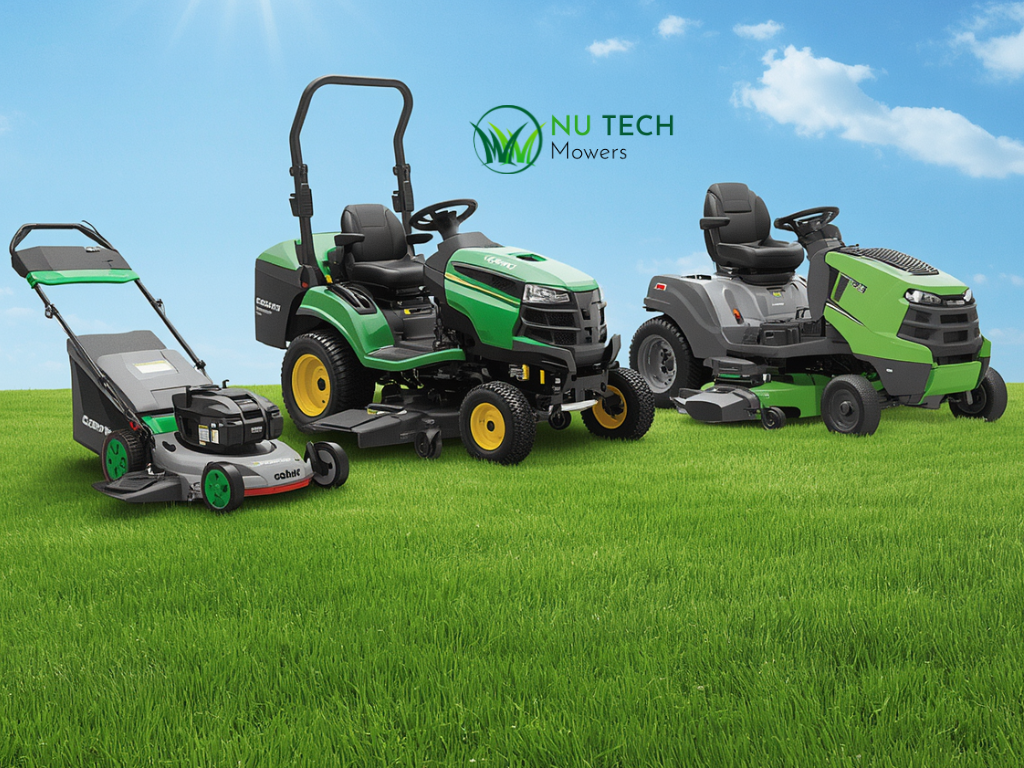
Not every property needs one mowing solution. A ride on mower may maintain the main lawn, while a smaller machine handles narrow or detailed areas.
When a Push Mower or Robotic Mower May Be Enough
A push mower can be a sensible choice for small lawns, confined spaces and areas with many obstacles. It generally costs less to purchase and requires less storage space, although it demands more physical effort.
An Auto mower or another robotic mower may suit a compatible lawn where frequent automated cutting is preferred. Buyers should consider the supported lawn area, slope capacity, boundary setup, charging location and the complexity of separate mowing zones.
Robotic machines are designed for regular lawn maintenance. They may not be suitable for unmanaged acreage, very long grass or ground containing hazards that have not been removed.
When Acreage Makes a Ride-On Model More Practical
As the maintained lawn area increases, a ride on mower can substantially reduce the physical effort involved in mowing. It also gives the operator a better position for covering broad, open sections consistently.
The decision should be based on the area you genuinely maintain, how often you mow and whether the property provides safe access. Some owners find that a compact ride-on machine combined with a push mower is more practical than one oversize mower expected to reach every corner.
Thinking about the entire mowing routine will help you choose equipment that works across the property rather than focusing only on the largest area.
Features to Compare Before Choosing a Model
When comparing Husqvarna models with other manufacturers, start with machines intended for your lawn area and terrain. Review the cutting width, transmission, turning circle, cutting-height range, fuel or battery capacity and recommended operating conditions.
Also investigate the availability of replacement blades, belts, filters, batteries and servicing. A recognized brand may provide a broad product range, but the individual model still needs to match your property and intended workload.
Product specifications are useful, although they do not replace practical advice. Ask whether you can inspect the controls, seating position, visibility and ease of deck adjustment before buying.
Comfort, Transmission, Turning Circle and Attachments
Comfort becomes increasingly important when mowing several acres. Look at seat support, pedal placement, steering effort, vibration and how easily you can reach the controls.
A hydro static transmission can provide straightforward speed and direction control, while the turning circle affects how efficiently the mower works around obstacles. If you intend to use a catcher, trailer, spreader or mulching attachment, confirm that the exact ride on mower model supports it.
Never assume an attachment is compatible because it fits physically. Follow the manufacturer’s limits for towing capacity, attachment use and safe operation.
Building the Right Lawn-Care Setup for Your Property
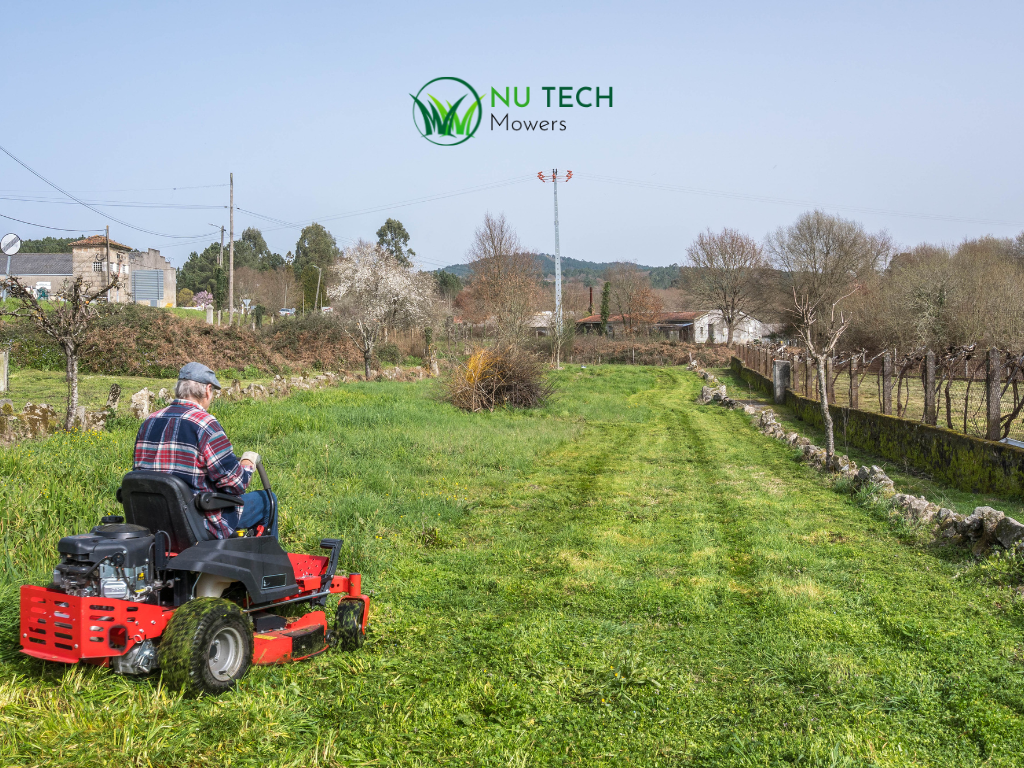
Even a well-chosen ride on mower cannot reach every edge, corner or confined section. Planning a complete equipment setup can produce a tidier result and prevent you from expecting one machine to perform every task.
Using a Trimmer and Leaf Blower Around Inaccessible Areas
A trimmer can maintain grass around trees, fences, garden borders and other areas the mower deck cannot reach. A leaf blower can help clear paths, patios and driveways after mowing.
These tools should complement the ride on mower rather than determine its size. If large parts of the property require trimming after every mow, it may indicate that the selected mower is too wide or lacks the manoeuvrability required for the layout.
For a practical setup, compare battery compatibility when purchasing cordless equipment. Using compatible batteries across selected tools may simplify charging and storage, but only when the products belong to the same supported system.
Questions to Ask a Supplier Before Making Your Decision
Before purchasing, give the supplier a clear description of your maintained lawn area, steepest sections, surface conditions, narrowest gate and storage space. Explain how often you mow, whether the grass becomes long or dense and whether you plan to use attachments.
It is also worth asking about warranty conditions, assembly, delivery, operator guidance, servicing and parts availability. These details can be just as important as the initial price.
Nu Tech Mower can help customers compare ride on mower options according to property size, access, terrain and intended use. Before deciding, confirm the final model specifications and operating limits against your actual property conditions.
You can also explore related information about lawn mower servicing, replacement parts, Husqvarna equipment and garden tools before requesting product advice. A supplier that asks detailed questions about your property is better placed to recommend a suitable machine than one relying on acreage alone.